
Where can a drone fly?
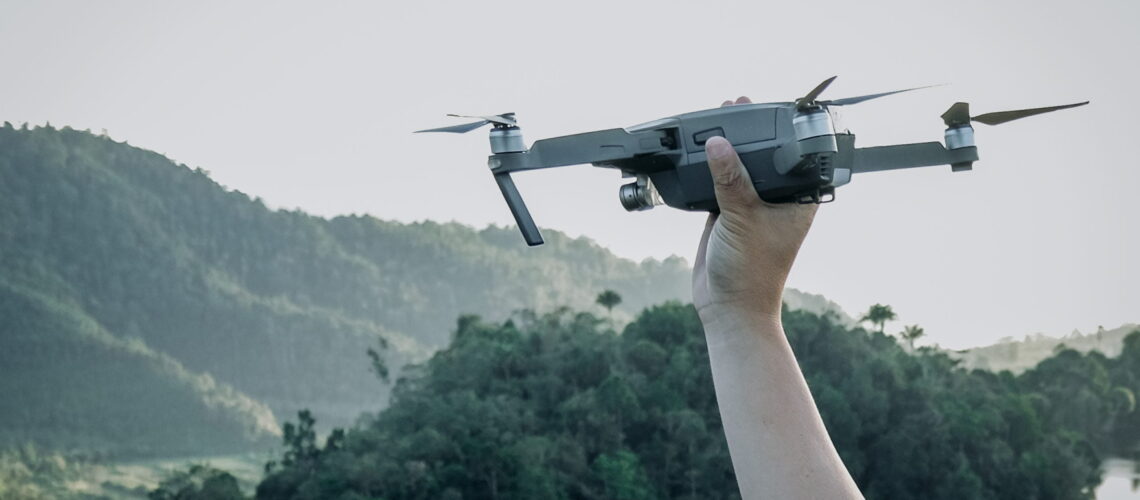
Where can a drone fly?
Drones are aircraft subject to regulations just like any other flying device. It is everyone’s responsibility to familiarize themselves with the laws governing this activity.
The Classification of Drones
Previously, French law classified drones into two categories: recreational and professional. Since January 2021, a European regulation has introduced two new categories: Open and Specific. This change means that the category is no longer determined by use, but by risk. The Open category includes subcategories classified by risk level (A1 to A3) based on weight, altitude, and capabilities. The Specific category contains more complex subcategories. Professionals may be classified in either category.
To comply with European laws and DGAC regulations, pilots must complete several procedures and stay informed of changes to the law. Allumee, which specializes in drone shows, must obtain authorization from the DSAC to fly in a specific area. The application includes an Operational Context and a SORA analysis to assess risks. Once the documents have been approved, Allumee can perform safely.
Through its partnership with DSAC, Allumee is able to ensure the highest level of security.
Airspace
Airspace is an integral part of the regulatory factors that must be taken into account when flying a drone. Like any other aircraft, a drone must adhere to flight zones to ensure safety between aircraft and allow for the sharing of airspace with others.
The website Geoportal is available to help users better understand the regulations in their flight area.
Allumee always stays up to date on which areas are authorized or prohibited for flights, in order to best assist you in choosing a location for the show and to ensure a high-quality performance.
Government Agencies – DGAC
The General Directorate of Civil Aviation is responsible for regulating and overseeing aviation safety, air transport, and civil aviation activities in general.
In practical terms, it works to find solutions that ensure optimal flight quality and safety. It looks out for passengers and pilots alike, as well as all ground personnel.
The DGAC’s responsibilities extend even further; the agency balances the development of aviation activities with life on the ground. It ensures that aviation projects do not harm nearby homes or the local wildlife.
It acts as a liaison between the aviation industry and local governments to ensure the best possible coexistence.
Allumee had to respond to the DGAC’s requests with documents totaling several hundred pages to demonstrate that every effort was being made to ensure the safety and comfort of the audience. The DGAC has approved our safety measures, which allows us to offer you a show that fully complies with current laws regarding both safety and audience comfort.
Conclusion:
After the pilot has determined the classification of their drone—which entails various duties and responsibilities—they must assess the area in which they will be flying the drone.
Pilots must respect airspace by staying informed about the geographic area in which they are flying, using the Geoportal website.
The selected areas must be suitable for drone flights and comply with the DGAC’s recommendations.
If the following criteria are met, the flight may proceed, while maintaining vigilance.