

It’s a silent war that’s no longer fought solely over infrastructure or property tax rates. In 2026, regions are competing for a scarce resource: attention. The attention of companies looking for a place to set up shop, tourists torn between two destinations, and talented professionals who can now work from anywhere.
The question is no longer “What do we have to offer?” but “Why us rather than someone else?”
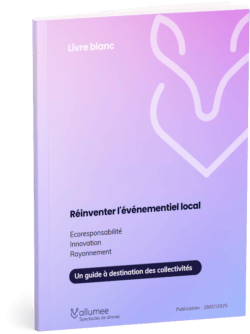
"Reinventing Local Events" by Allumee
Enhance your community’s long-term value through innovative and responsible events.
Draw inspiration from practical solutions to revitalize your community, engage your residents, and leave a lasting impression.
Download the white paper now and help your community shine in a whole new way!
What exactly is place marketing?
This is a strategic approach to promoting a region to specific target audiences. It sounds obvious when put that way, but many local governments remain stuck in a “checklist” mindset (listing facilities, touting high-speed rail lines, and compiling employment figures).
The problem? All local governments are doing the same thing.
The real paradigm shift is moving from the product to the experience. A municipality, a region, a state—every level can craft a narrative. Americans understood this in the 1950s when they began “selling” their cities. Europe followed suit in the 1980s. Today, even villages with 500 residents are getting in on the action.
Three goals, not ten
1/ Attract businesses and investors. This requires not only highlighting the region’s economic potential, but also having a solid infrastructure and an image that inspires confidence.
2/ Develop tourism. Heritage sites, events, landscapes—anything that might attract visitors deserves to be showcased.
3/ Build resident loyalty. Residents aren’t just “beneficiaries” of public policies. When they take pride in their community, they become its best ambassadors.
What Really Works in 2026
Start with an honest assessment of the area. Forget about the 200-page report that ends up in a drawer. Instead, opt for an in-depth analysis of what sets your community apart and what still needs to be developed to make it truly attractive.
The tools that will define regional marketing in 2026:
- A strong brand identity: logo, visual identity guidelines, storytelling… regional brands are becoming true lifestyle brands
- Targeted digital marketing: an active presence on all social media platforms, podcasts, newsletters, and local influencers.
- Immersive experiences and local events: signature annual events that reflect your city’s character
- Regional data marketing, to better understand tourist flows and residents’ behavior, and to target investors and businesses.
- Interregional or international cooperation to pool resources and enhance the region’s appeal.
Events Are a Game-Changer
A standout event like a drone show for local governments is worth a hundred press releases. Emerging formats play on emotion: video mapping on historic monuments, temporary art installations, and light drone shows.
What makes an event go viral? Originality, the interactive aspect, and that feeling of experiencing something you’ll never see again.
Whether it’s for an affordable drone show or another event, you absolutely must ask yourself these questions.
Are you working to enhance the appeal of your region?
Download our white paper for local governments to learn more about the challenges of sustainable event planning.
Attractiveness has its limits
For a long time, regional marketing was obsessed with “more and more”: more tourists, more businesses, more events. But this frantic race to boost appeal has shown its limitations.
Venice, Barcelona … the list of places that have become victims of their own success is growing. Skyrocketing real estate prices that are driving out residents, overcrowding that is damaging natural sites, and the loss of local identity in favor of an overly polished image…
Today, the most progressive regions are changing their approach. The island of Bréhat is a perfect example: after nearly reaching 6,000 visitors per day on just 3 km², it has implemented a daily visitor cap to preserve its natural balance and identity
Sustainable development is no longer just a marketing ploy. It is a fundamental component of any serious regional strategy.
What a Well-Executed Strategy Can Achieve
Economic growth is the first thing that comes to mind. It’s the most visible. New businesses setting up shop, jobs being created, stores opening instead of closing. An attractive region draws investors who would otherwise have looked elsewhere. And these new businesses attract others: suppliers follow, service providers set up shop, and the local ecosystem grows stronger.
But to reduce the benefits to the economy alone would be to miss the point.
Social cohesion isn’t talked about as much, yet it changes everything. When residents help shape their community’s identity, when they see their city or region being showcased, something happens. A sense of pride in belonging isn’t just an empty concept: it translates into community involvement, citizen-led initiatives, and a desire to contribute rather than simply endure.
And then there’s the ripple effect. A region that gains recognition attracts people more easily. The media covers it, social media spreads the word, and a reputation is built. Each success fuels the next. Talented individuals are more likely to apply, tourists add the destination to their list, and companies seriously consider setting up operations there.
This virtuous cycle cannot be imposed. It is built, one action at a time.