
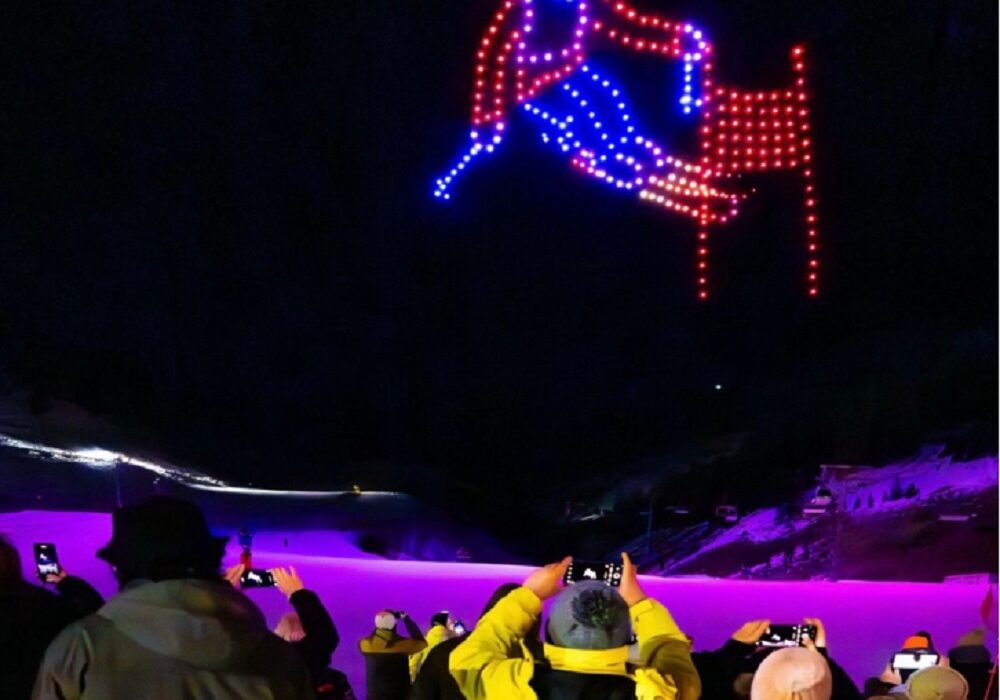
The world of entertainment is evolving. Immersive technologies are becoming a source of fascination and a key differentiator. For a company, every drone flight tells a story. But before the sky lights up, there’s one essential legal requirement that must be met: obtaining the proper permits. In France and abroad alike, drone regulations strictly govern the professional use of these devices. This requirement does not limit creativity; rather, it provides a framework for it. It also ensures a safe environment for both spectators and operators.
Permits Required to Fly a Drone in France
The French regulatory framework is based on European Regulation 2019/947, supplemented by national provisions. The Directorate General of Civil Aviation (DGAC) oversees commercial drone flights. A company wishing to operate drones for events or artistic purposes must therefore comply with a series of mandatory procedures. The objective is clear: to regulate drone flights to protect people and property.
Simply owning a drone is not enough. The company must register its operations as an operator on the AlphaTango platform. Registration of each drone used is also mandatory. This process assigns a unique UAS number that identifies the aircraft during inspections.
Drone pilots, for their part, must hold a certificate of competency, issued following theoretical and practical training. This certificate attests to their ability to operate a flight in various types of scenarios. Finally, liability insurance covering commercial flights is essential to protect both the company and the public.
As part of a drone light show, this rigorous organization ensures the event’s safety and legal compliance. Furthermore, these regulations enhance the perceived reliability among organizers seeking to incorporate an innovative and immersive performance.
Required Documents to Submit
To fly legally, every company must compile a comprehensive set of administrative documents. This includes the drone registration certificate, the activity declaration, the remote pilot certificate, and proof of insurance. These documents may be requested at any time, particularly during an inspection in a public or urban area.
Even if a drone weighs less than 250 g, it must be registered if it is equipped with a sensor or used for professional purposes. Failure to comply with these requirements may result in fines or even a temporary flight ban. Thorough planning helps avoid any interruptions in the preparation of the show. To ensure cost control, it is recommended to review the detailed pricing for drone shows before submitting an application.
This allows you to tailor the administrative procedures to the chosen configuration and available budget.
Helpful Tip: Create a Centralized Digital Folder
To avoid any oversights or delays, it is advisable to create a digital file containing all required documents: certifications, registrations, certificates, insurance policies, and local permits. This file, which is easily accessible internally, allows for maximum responsiveness in the event of an inspection or last-minute logistical changes. It also makes it easier to reuse supporting documents for future performances in France.
Authorized Professional Flight Scenarios
In France, drone flights are divided into three main categories: open, specific, and certified. The open category covers low-risk flights, often outside urban areas and far from people. For shows in urban areas, the company must follow Scenario S3, which governs flights in populated areas. This scenario is the most common for public events.
It mandates a maximum altitude of 150 meters, a safety distance from spectators, and appropriate safety measures. These include emergency parachutes, beacons, and a system to return to the takeoff point in the event of a signal loss. These measures ensure safety without limiting the visual impact of the show.
Recommended Safety Equipment for Flying Over Populated Areas
| Type of equipment | Primary Use | Requirement |
|---|---|---|
| Parachute | Slowing the descent in the event of a malfunction | Yes, for S3 flight |
| Lighted beacon | Drone signaling at night | Required for night flights |
| RTH System | Automatic Return to Home | Highly recommended |
| Electronic Identification | Remote device monitoring | Mandatory since 2021 |
| Propeller Protection | Reduced Risk of Injury | Recommended for use in public spaces |
What specific steps are required for artistic or audiovisual events?
The arts sector is subject to specific requirements. A film shoot or performance involving an audience, lighting, or an urban setting must comply with stricter regulations. In France, it is mandatory to file a prior notification with the prefecture, especially if the event takes place on a public street.
You must also obtain approval from city hall and submit a safety report. This report takes into account the venue, the number of spectators, theft risks, and emergency procedures. When a show involves multiple drones, a thorough analysis of their collective behavior is required. Every technical detail influences the final authorization.
The impact of the location, the audience, and the number of drones
The type of show affects the regulatory requirements. If the venue is remote and there is no audience, the requirements will be less stringent. However, in the case of a nighttime show involving several hundred drones, the requirements become more stringent. The number of drones directly affects the flight classification and, therefore, the type of permits that must be obtained.
Flying drones weighing more than 250 g requires stricter reporting requirements. The use of LED lights also requires adjustments to comply with aviation standards. A well-designed project anticipates these variables from the planning stage onward to avoid unpleasant surprises.
How Allumee Plans Ahead and Manages Drone Permits for Its Light Shows
Allumee conceives each show as a living work of art, where technology elevates the imagination. But behind this visual poetry lies a methodical organizational structure. Since its founding, the company has built up regulatory expertise that guides all of its projects. Starting in the design phase, a dedicated team identifies the legal requirements based on the venue, the expected audience, and the number of drones involved. This upfront work prevents unforeseen issues and ensures the artistic feasibility of the project.
In France, Allumee works closely with the DGAC and the prefectures. Each flight is reported via AlphaTango, and each performance area is analyzed to determine the necessary authorizations in advance. For large-scale events, the team adjusts the drones’ technical specifications (weight, altitude, signaling) to remain within authorized limits. Regulations become a tool for precision.
This rigor does not stifle creativity; it supports it. Allumee offers custom, hybrid, or signature formats that adapt to its clients’ expectations while ensuring a high level of compliance. The goal remains the same: to inspire wonder without compromising on safety or ethics. Adhering to the rules becomes a mark of professionalism, a source of trust, and a driver of continuous innovation.
You have to earn your place in heaven
Creating a drone light show means capturing people’s attention, evoking emotion, and etching a moment into the collective memory. But this requires strict compliance with applicable regulations. For a company like Allumee, this compliance isn’t just a formality. It’s a promise of quality, safety, and artistic excellence.
There are many administrative steps involved, but they pave the way for exceptional results. By incorporating them from the very beginning, every project takes on a professional, seamless, and inspiring quality. The sky belongs to those who methodically prepare for their dreams.