
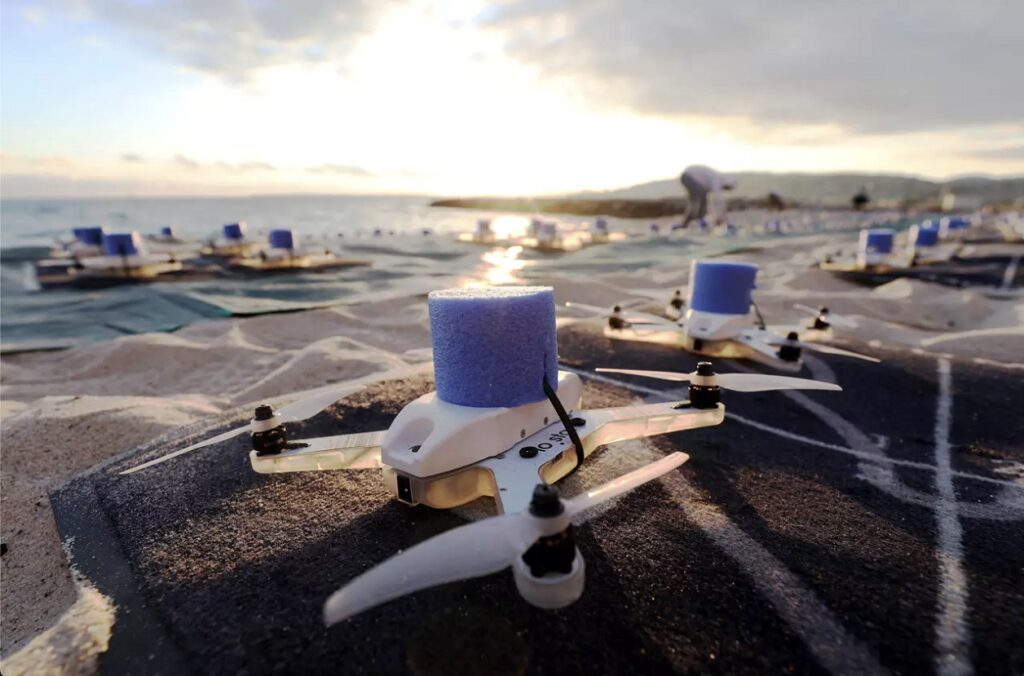
Drones are no longer just flying gadgets. They represent a new form of expression—a technological tool with multiple uses. For a company specializing in light shows, drones are at the heart of a modern, immersive artistic performance. To ensure spectacular and safe visual experiences, a thorough understanding of the regulatory framework is essential. In France, regulations are evolving to accommodate professional uses while ensuring airspace safety.
The Legal Framework for Flying a Drone in France
The use of drones is regulated based on risk levels. This regulatory framework is organized into three main categories: Open, Specific, and Certified. These European classifications cover everything from the simplest practices to the most complex operations.
The Open category is intended for low-risk flights. It is subdivided into A1, A2, and A3 based on proximity to people or populated areas. For many operators, this category defines their day-to-day flight conditions. It allows the use of drones without prior authorization, provided that the associated rules are followed.
The “Specific” and “Certified” categories are intended for advanced uses. They require the implementation of precise procedures, specific training, and regulated declarations. The legislation thus allows for a regulated yet accessible practice, even for the most demanding professionals.
The requirements for flying legally
Every drone flight is subject to specific requirements. Professionals must take several factors into account even before takeoff. Any drone weighing more than 800 g must be registered on the AlphaTango platform. The operator then receives an official identification number that must be clearly displayed on the drone.
Online training is required depending on the type of drone and its intended use. For certain operations or models, a certificate attesting to the pilot’s competence is mandatory. This ensures a better understanding of the rules and proper conduct during flight.
The electronic tracking device is also an important requirement. It must be installed on the affected models to facilitate their identification by the authorities. This device is gradually becoming essential for all professional uses.
Finally, liability insurance, although not mandatory, is strongly recommended. It protects the pilot and the organization in the event of an incident or damage caused to third parties. This measure helps ensure a safer and more worry-free use of the drone.
Professional drone operators looking to add a spectacular touch to their events may want to consider a drone show. This type of service offers an impressive spectacle that complies with regulations while providing a unique visual experience. Furthermore, for more personalized events, a drone show for a private event could perfectly meet the specific needs of organizers, creating an even more memorable experience.
Tip for a Smooth Experience
Planning ahead for the necessary administrative procedures for each flight allows you to focus on the creative aspects of the show. By preparing the required documents and permits in advance, you can avoid unexpected issues and ensure a more relaxed and secure experience.
Permitted Areas and Restrictions to Be Observed
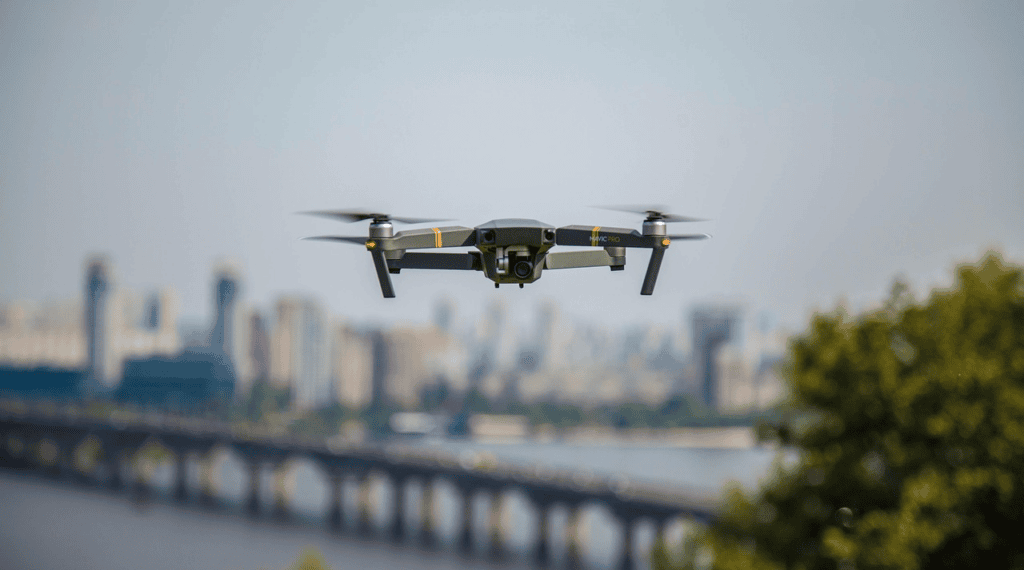
French airspace is subject to strict regulations. A drone cannot fly just anywhere, even if it meets the technical requirements. The altitude limit is set at 120 meters, unless a specific exemption is granted by the authorities.
Flights over urban areas are prohibited without authorization. To organize a flight in a city or near a crowd, you must submit a prior request to the appropriate authorities. Failure to comply with this rule may result in penalties for the operator.
To identify restricted areas, the Géoportail website provides an interactive map updated in real time. It shows airports, military bases, and restricted or sensitive areas. Checking Géoportail has become an essential step before every mission.
Compliance with these zones is not merely a regulatory requirement. It also ensures public safety, the confidentiality of sensitive locations, and the integrity of flight operations.
Comparison of Classes C0 through C6 and Associated Requirements
| Class | Maximum weight | Required beacon | Required training | Primary Use |
|---|---|---|---|---|
| C0 | < 250 g | No | No | Recreational flight in an open area |
| C1 | < 900 g | Yes | Yes | Flight Close to People |
| C2 | < 4 kg | Yes | Yes (certificate required) | Flying with Caution in Populated Areas |
| C3 | < 25 kg | Yes | Yes | Theft from a person who is far away |
| C4 | < 25 kg | No | Yes | Model-making use / designated areas |
| C5 | < 25 kg | Yes | Yes | Professional Use (Specific) |
| C6 | < 25 kg | Yes | Yes | Critical or complex missions |
This table does not summarize the regulations but provides an overview of the technical and administrative requirements that apply depending on the type of drone. It serves as a practical tool for operators who wish to plan ahead for their equipment and training needs.
Key Regulatory Changes
The latest legislative changes aim to harmonize technical requirements and enhance safety. One of the key measures is the widespread adoption of electronic reporting. Even some drones weighing less than 800 g must now be equipped with this system if they are used for professional purposes.
Another new requirement concerns the declaration of use. For any for-profit activity, a declaration is required, even in the Open category. This measure reinforces the distinction between recreational and professional use, while simplifying administrative procedures.
For the technical classes (C0 through C6), the requirements have been redefined. They now better reflect advances in hardware and drone performance. Manufacturers must now incorporate these standards into the very design of their drones.
Finally, a significant step forward has been made regarding mutual recognition among European countries. Certifications obtained in one member state are now more widely accepted elsewhere. This measure makes it easier for professionals to travel, particularly in connection with international events or projects.
How Allumee Incorporates Regulatory Requirements into Its Drone Shows
At Allumee, regulations don’t stifle creativity— they provide a framework and ensure safety. From the very beginning of a show’s development, the team reviews the legal framework applicable to the target area. This includes permit applications, usage declarations, and approval of the show’s scenarios by the DGAC.
All deployed drones are equipped with electronic transponders. They belong to technical classes that are compatible with the requirements for flight in public or sensitive areas. Compliance with distances, altitudes, and local restrictions is incorporated into the visual scenario from the design phase onward.
Before each performance, an administrative team handles communications with the relevant authorities. This allows clients to focus on the artistic impact of the show without worrying about regulatory requirements. This seamless process ensures everyone’s safety.
Allumee is also involved in discussions regarding changes to the laws governing drone shows. By collaborating with institutions and industry stakeholders, the company highlights the uniqueness of its artistic approach and the specific needs associated with this new form of expression.
A Legal Framework as a Springboard for Creativity
Drone regulations in France provide a clear and evolving framework. Far from stifling creativity, they enable companies like Allumee to design spectacular experiences within a safe environment. Mastering these rules is becoming a strategic advantage, particularly in light of growing expectations regarding safety, environmental sustainability, and innovation.
In this demanding regulatory environment, meticulous professionals come out on top. By anticipating legal changes and investing in compliance, they turn their constraints into strengths. Each flight then becomes an artistic opportunity, mastered down to the smallest detail.